Why Utilities Need Private Mobile Networks for Mission-Critical Operations
Introduction
Utilities operate in some of the most demanding environments, where reliable, secure, and wide-area connectivity is not just a requirement — it's a necessity. From grid automation and smart metering to drone inspections and emergency response, utilities rely on mission-critical communications to ensure operational resilience and regulatory compliance. Public networks, while widely available, often fall short in meeting these demands. This is where private mobile networks come into play.
In this article, we explore why private LTE and 5G networks are essential for utilities and how they provide the foundation for a connected, efficient, and future-proof infrastructure.
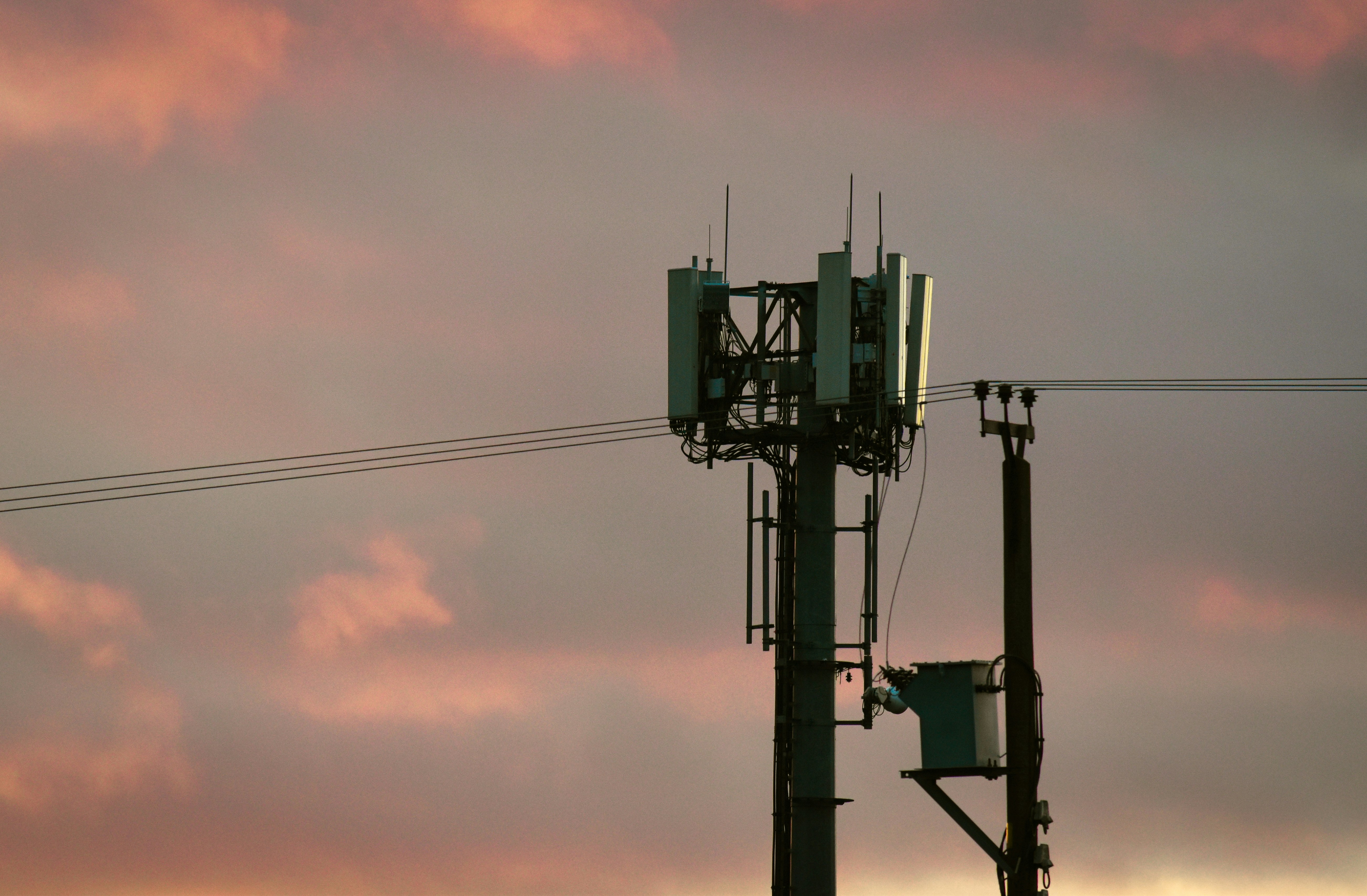
The Limitations of Public Networks for Utilities
Public mobile networks are designed to serve general consumer and business needs, but they are not optimized for the unique requirements of utilities. Here's why:
Lack of Reliability During Emergencies
Public networks can become congested or fail during emergencies, natural disasters, or peak-traffic events. For utilities, this is unacceptable. Mission-critical operations like grid automation, outage management, and emergency response require dedicated connectivity that remains stable under all conditions.
Insufficient Security and Control
Utilities handle sensitive data and operate critical infrastructure that must be protected from cyber threats. Public networks offer limited control over security protocols and data privacy, making them vulnerable to breaches. Private networks, on the other hand, provide full operational control and enhanced security measures to meet regulatory requirements.
Inadequate Coverage for Remote Assets
Utilities often manage assets spread across vast and remote areas, such as transmission lines, pipelines, and substations. Public networks may not provide consistent coverage in these locations, leaving gaps in connectivity. Private networks are designed to deliver wide-area coverage tailored to the utility's operational footprint.
Limited Scalability for Connected Devices
The number of connected devices in the utility sector is growing exponentially. Smart meters, sensors, and IoT devices require reliable, low-latency connectivity. Public networks struggle to scale efficiently to support these devices, while private networks are built to handle massive device density and diverse application requirements.
The Advantages of Private Mobile Networks
Private LTE and 5G networks in utilities address the limitations of public networks with the following benefits:
1. Dedicated and Reliable Connectivity
Private networks offer exclusive, dedicated connectivity for utility operations. This ensures that critical applications like SCADA, distribution automation, and emergency communications remain operational, even during peak-traffic events or emergencies. With a private network, utilities can prioritize traffic and ensure high availability for mission-critical applications.
2. Enhanced Security and Compliance
Private networks provide end-to-end encryption, secure authentication, and isolated infrastructure, protecting sensitive data and critical infrastructure from cyber threats. Utilities can also implement custom security policies to comply with industry regulations and standards, such as NERC CIP and GDPR.
3. Full Operational Control
With a private network, utilities have complete control over network design, deployment, and management. This includes customizing coverage to match operational needs, prioritizing traffic for mission-critical applications, and integrating with existing IT and OT systems for seamless operations.
4. Wide-Area Coverage for Remote Assets
Private networks are designed to provide consistent coverage across vast and remote areas, ensuring connectivity for field crews, automation equipment, and millions of connected sensors.
5. Scalability for Future Growth
Private networks are built to scale as utility needs evolve. Whether it's adding new devices, expanding coverage, or supporting emerging applications like AI-driven monitoring and drone inspections, private networks provide the flexibility to adapt to future requirements.
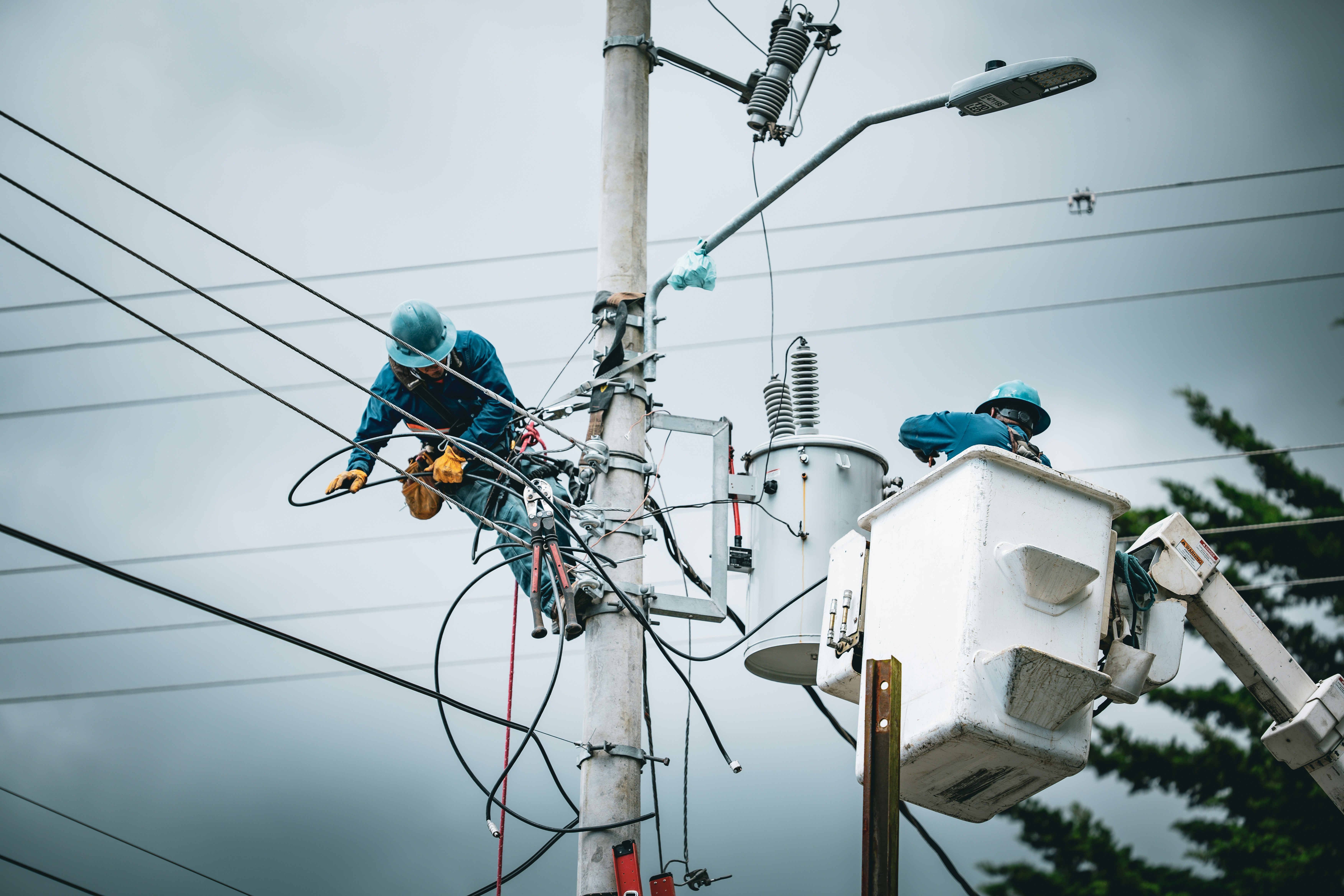
Use Cases for Private Mobile Networks in Utilities
1. Grid Automation and Smart Metering
Private networks support real-time monitoring and control of grid assets, enabling utilities to detect and respond to outages, optimize energy distribution, and reduce downtime.
2. Drone Inspections and Aerial Monitoring
Drones are increasingly used for inspections of transmission lines, water towers, and pipelines. Private networks provide the reliable, over-the-horizon connectivity needed for drone control and data transmission.
3. Video Surveillance and Security
Utilities use video surveillance for remote monitoring of substations, power plants, and other critical infrastructure. Private networks enable high-definition video streaming and real-time alerts.
4. In-Building Coverage for Power Plants and Substations
Facilities like power plants and substations require coordinated indoor and outdoor coverage for equipment monitoring, metering, and communications.
5. Emergency Response and Field Crew Communications
During emergencies, utilities need reliable communications for field crews, first responders, and control centers. Private networks provide dedicated, prioritized connectivity for voice, data, and video communications.
How Atoll and Atoll One Simplify Private Network Planning
Atoll is an industry-leading solution that simplifies the planning and optimization of private LTE and 5G networks.
Key Features of Atoll for Utilities
Atoll is the industry-leading wireless planning and optimization software, trusted by utilities worldwide for designing private LTE and 5G networks. Here’s how Atoll simplifies private network planning:
- Advanced Propagation Modeling: Atoll’s propagation engine delivers real-network accuracy, enabling precise coverage planning.
- Integrated Indoor and Outdoor Planning: Atoll’s in-building module synchronizes indoor and outdoor coverage, eliminating silos in the design process and ensuring seamless connectivity for facilities like power plants and substations.
Multi-Technology Support: Atoll supports integrated planning for 4G LTE, 5G NR, Wi-Fi, and microwave backhaul, enabling utilities to design multi-RAT networks that meet their evolving needs.
Conclusion
Private mobile networks are transforming the utility sector by providing reliable, secure, and scalable connectivity for mission-critical operations. With Atoll, utilities can design, plan, and optimize private networks tailored to their unique requirements.
Ready to explore private mobile networks for your utility?
Watch the webinar replay to learn how Atoll can simplify your network planning.