Stadiums, arenas and large venues combining dense indoor concourses, multiple tenant zones and open-air seating bowls or pitches must support extreme swings in device density between events and quiet periods. Private LTE and 5G networks give venue operators a dedicated wireless infrastructure for operations, security and tenant connectivity, independent of the congestion public networks experience during large events. Planning a network that performs reliably across every zone of the venue requires simulation before deployment.
Why venue operators need private LTE/5G networks
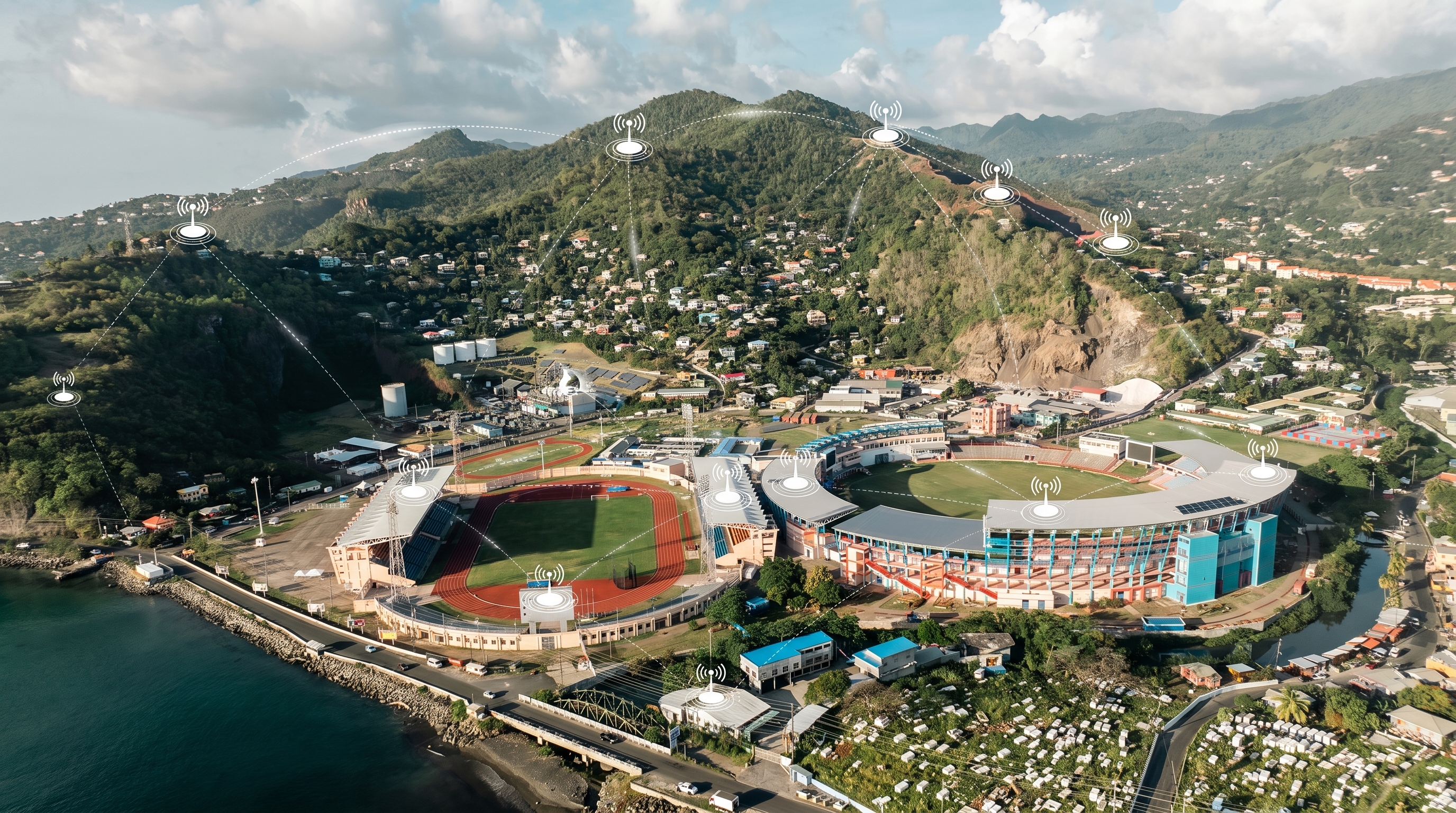 Public and commercial networks are put under their heaviest possible load exactly when a venue needs them most: tens of thousands of attendees in one place at once. Industry research on major sports venues has found that up to 98% of attendees use a mobile device during an event, generating terabytes of data through video, social media and in-app engagement. Venue operational systems cannot depend on a network that degrades under that load. A private LTE or 5G network gives the operator dedicated capacity and coverage under its own control, sized for peak event demand rather than average daily use.
Venues also frequently operate as multi-tenant sites: concessions, retail tenants, broadcast partners and event promoters may each need dedicated, isolated connectivity within the same building, alongside the venue operator's own operational network.
The challenges of planning a private 5G network for venues & stadiums
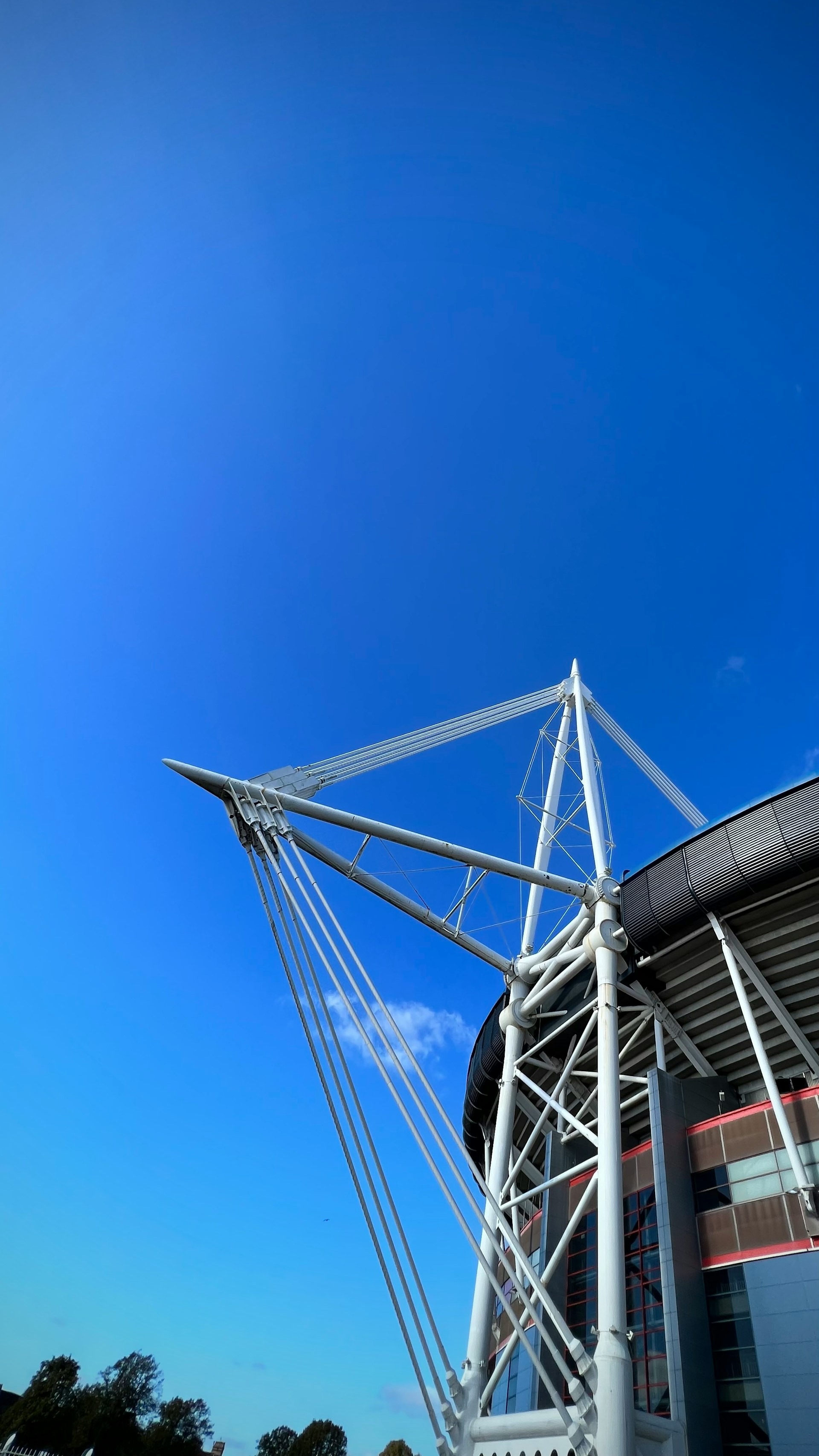 A stadium or arena is not a single RF environment. The seating bowl is usually built in tiered levels around an open playing area, and that geometry creates its own challenge: signal reflectivity and co-channel interference between adjacent levels, which only a design that models every level together can account for. The bowl also moves between two states, empty during setup and pack-down, full during an event, and the human body loss from tens of thousands of attendees changes how signal propagates compared to the empty-venue condition a naive design might assume.
Concourses and back-of-house areas are a different problem again. Heavy reinforced concrete, common throughout concessions, press rooms, locker rooms and underground parking, attenuates signal far more than the open bowl above. A network planned for a full bowl but not validated against the concrete-heavy zones beneath it, or one that serves the crowd but not tenant and broadcast operations, doesn't meet the venue's actual requirement.
Planning a private wireless network for this environment means modelling the bowl, concourse, back-of-house and outdoor perimeter as a connected system rather than separate projects. Where structural or seating-bowl design data exists in CAD or BIM, Atoll One's support for open IFC import would allow that geometry to be brought directly into the RF plan, relevant for newly built or renovated venues where the data already exists from architects or structural engineers.
The demand profile is unusual too. A venue may run at a small fraction of its capacity most days, then need its full design load for a handful of event days a year. Planning has to validate against peak-event conditions, not average use, while still supporting day-to-day operations the rest of the time.
What the network must support
- High-density event connectivity
- Venue operations
- Crowd safety and monitoring
- Wayfinding and access management
- Multi-tenant connectivity
- Broadcast and production:
- Back-of-house and outdoor perimeter
- Facility and energy management
Planning venue networks with Atoll One
Atoll One is built for single-venue, site-level planning: one stadium or arena modelled as a single project, covering the bowl, concourse, back-of-house and outdoor perimeter in the same simulation, so the whole site is planned as one connected system rather than zone by zone.
Frequently asked questions
Public networks are put under their heaviest load exactly when a venue most needs reliable connectivity, during large events. A private LTE or 5G network gives the operator dedicated capacity and coverage, under its own control, sized for peak event demand rather than average daily use.
High-density event connectivity, venue operations (ticketing, access control, security), crowd safety and monitoring, wayfinding and access management, multi-tenant connectivity for concessions and hospitality, broadcast and production, back-of-house and perimeter coverage, and connected facility/energy management.
The extreme swing between peak-event and average-day demand, combined with a multi-tenant structure where several organisations need distinct connectivity within the same building. Planning must validate against peak-event load, not typical daily use.
Atoll One models a single stadium or arena as one project, covering the bowl, concourse, back-of-house and outdoor perimeter in the same simulation.