University and college campuses combine dense academic buildings, research facilities, residential halls and large outdoor grounds, often across a footprint the size of a small town. Private LTE & 5G give educational institutions a dedicated wireless infrastructure for research, safety and operational connectivity. Planning a network that performs consistently across a campus this varied requires simulation before deployment.
Why educational institutions need private LTE/5G networks
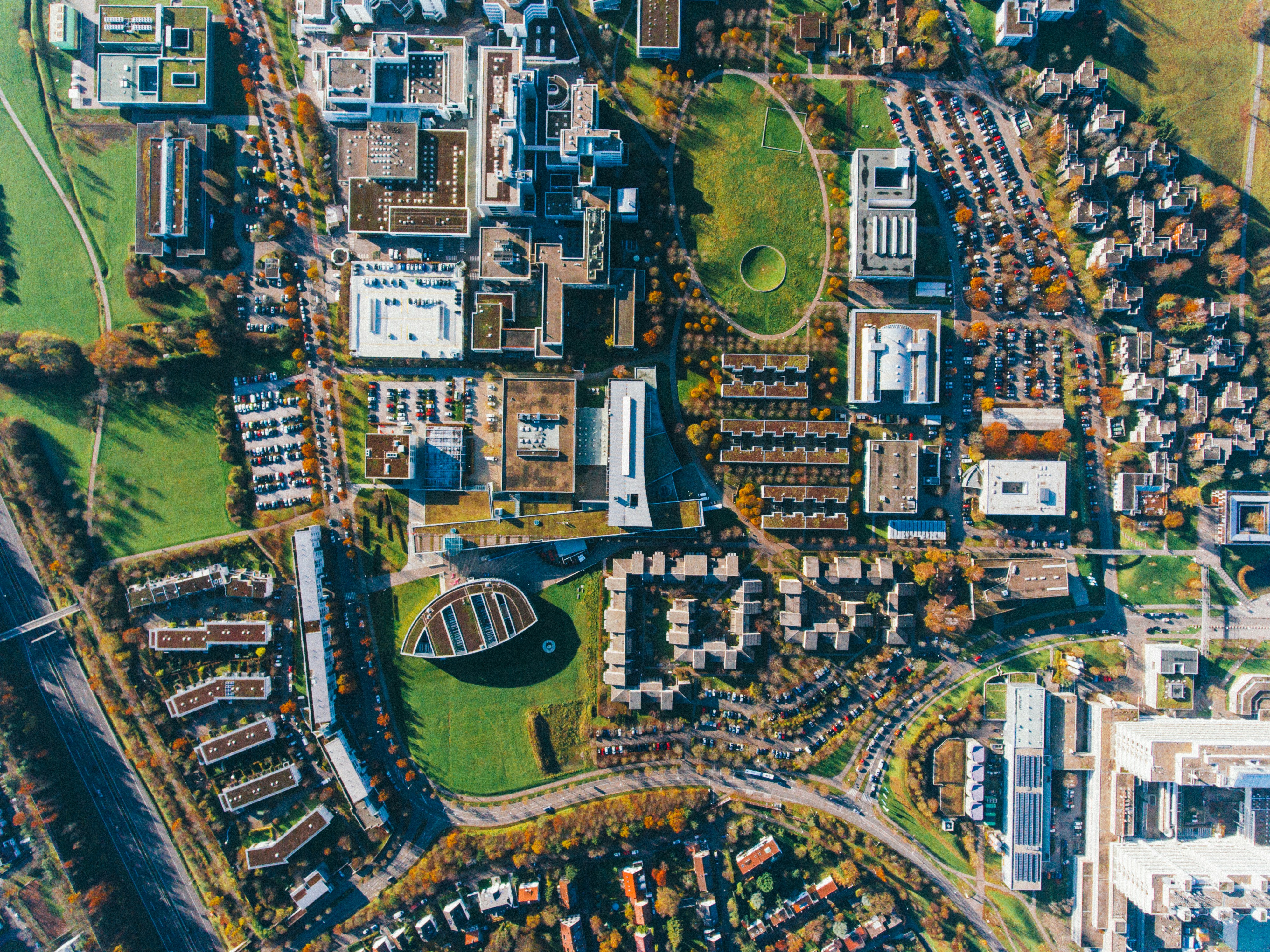 University and college campuses are a fast-growing category for private mobile networks, alongside hospitals and large corporate sites. They share the same defining trait: a large, self-contained site spanning many buildings and outdoor areas, where public network performance can't be relied on.
On a campus, that need takes three main forms:
- Research facilities and laboratories need connectivity that stays isolated from general student and public networks.
- Safety and emergency systems can't depend on commercial networks that congest during peak times or large events.
- And operational systems like facilities management, campus transport and building automation need dedicated, predictable connectivity, separate from the tens of thousands of personal devices sharing the same campus.
The coverage gaps also tend to cluster in the same places on every campus. Residential halls, where commercial signal is often weakest exactly where students spend most of their time. Sports and athletics facilities, empty most of the year but handling a stadium's worth of devices during a fixture. And the car parks and outdoor grounds connecting buildings together. These are the spots campus IT teams consistently report as hardest to cover with commercial signal alone.
A private LTE or 5G network gives an institution a wireless layer under its own control — separate from the public or guest network serving students and visitors, and configured specifically for research, safety and operational needs.
The challenge of planning private networks for universities
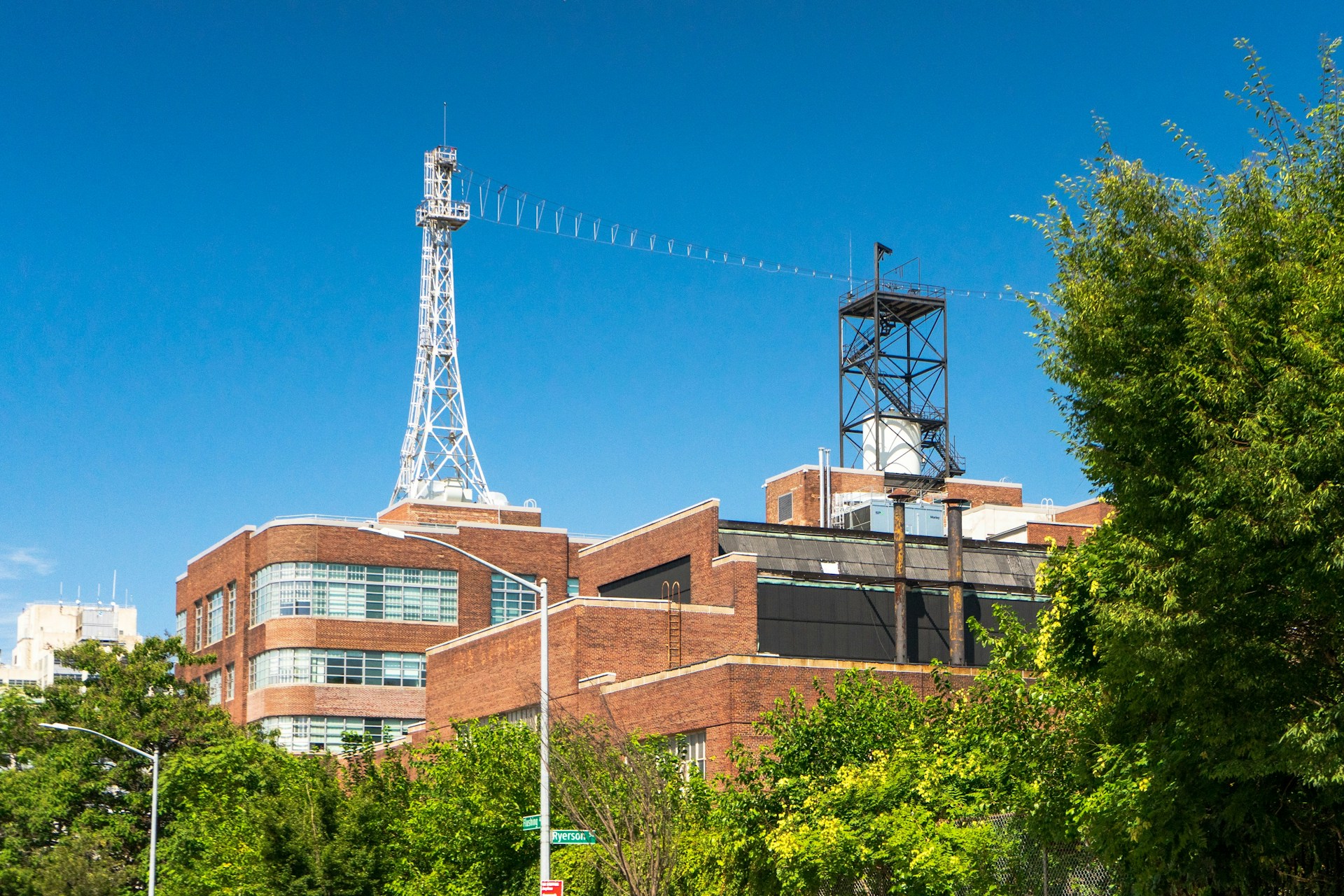 A university campus is structurally closer to a small town than a single building. It can span dozens of buildings linked by outdoor grounds, car parks and sports facilities, all working as a single operational site under the same network. Each building is different: a laboratory may need shielding or interference control around sensitive equipment, a library or lecture hall needs consistent indoor coverage for a high density of devices, and outdoor grounds need coverage for security and events that scale up sharply during large gatherings.
Planning a private wireless network for this environment means modelling many buildings and outdoor zones as parts of one coherent network, not as isolated projects. Atoll One supports BIM and AutoCAD data import, so a building's actual structure and materials can be brought directly into the RF plan rather than approximated.
A campus network also has to handle outdoor areas that remain in use most of the year but peak to very high device density during specific events. Modelling the full multi-building campus, including these variable-demand outdoor zones, as a single project keeps the coverage consistent and avoids treating each building or event space as a disconnected planning exercise.
What the network must support
- Research and laboratory connectivity
- Campus safety and emergency communication
- Residential hall coverage
- Sports and athletics facilities
- Operational and facilities systems
- High-density event coverage
Planning education networks with Atoll One
Most education institutions select Atoll One based on their specific requirements:
- Atoll One is ideal for site-level planning, including a single university campus spanning many buildings, modelled as one project, with the same simulation covering indoor academic buildings and outdoor grounds together.
Frequently asked questions
Public and guest networks cannot guarantee the reliability, security or coverage depth that research, safety and operational systems require. A private LTE or 5G network is operated independently, under the full control of the institution, with coverage and security configured for these specific requirements rather than for general student and visitor traffic.
Research and laboratory connectivity, campus safety and emergency communication, residential hall coverage, sports and athletics facilities, operational and facilities systems, and high-density event coverage.
The combination of a very large number of buildings with different structures and use cases, under one operational authority, plus outdoor spaces — residential halls, sports facilities, car parks — where demand swings sharply for specific events. Planning must account for consistent day-to-day coverage and short-term high-density peaks within the same network.
Atoll One for a single university campus, including multi-building sites modelled as one project. Atoll for multi-campus university systems or where multi-technology planning is required.